Watching our beloved companions grow old is a true privilege, but it also means their healthcare needs must evolve.
SENIOR PET CARE
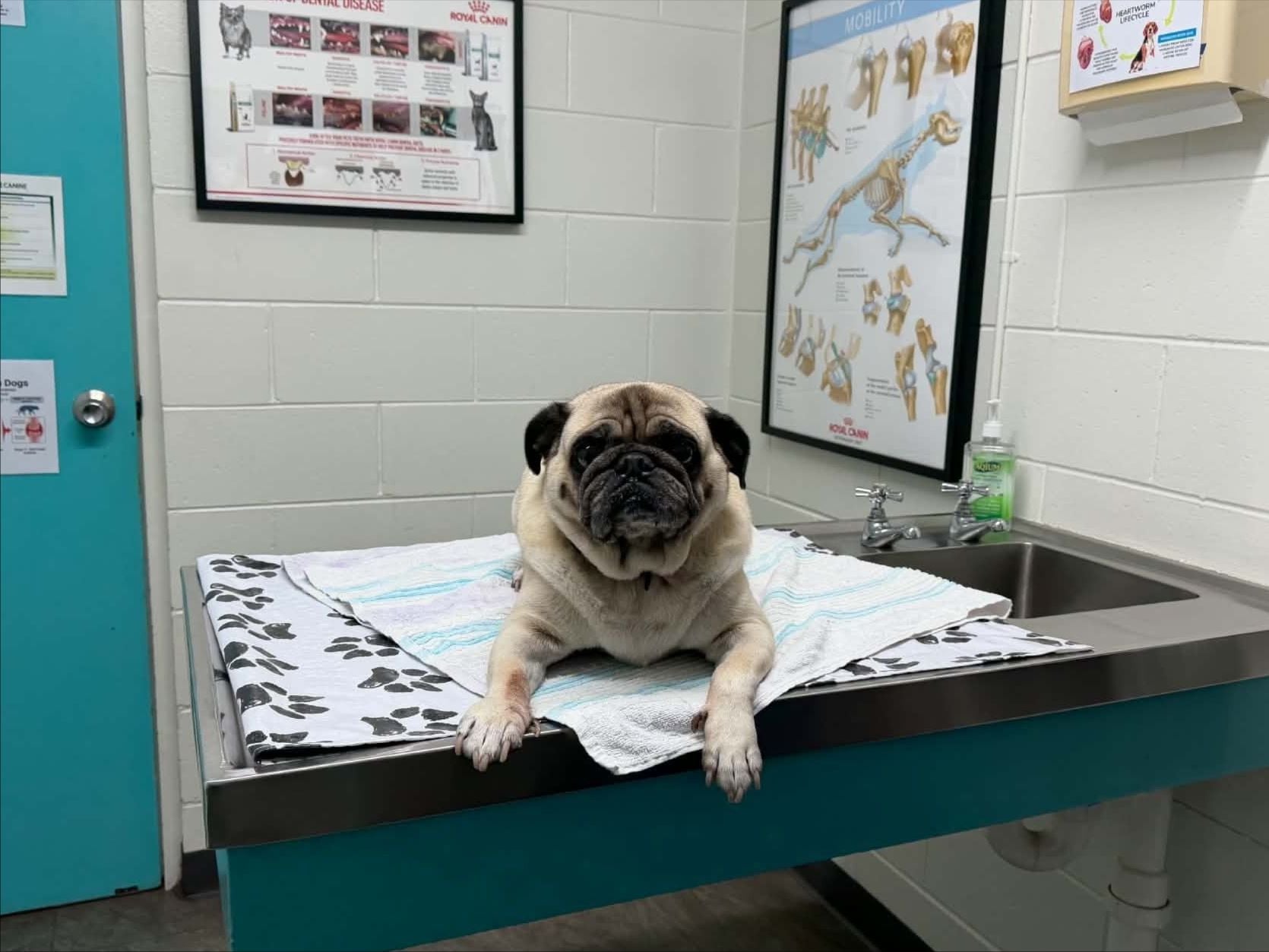
SENIOR PET CARE & GOLD STANDARD MANAGEMENT IN TOWNSVILLE
Because dogs and cats age much faster than humans, a pet entering their senior years requires a more vigilant, proactive approach to medicine. At Townsville Veterinary Clinic, we have walked the journey of care with up to four generations of local families and their pets. We know that getting older isn't a disease in itself, but it does bring a unique set of physical and metabolic changes that deserve extra attention.
Our objective is to move away from simply reacting to illnesses as they arise. Instead, we embrace a gold standard approach to senior pet care, tailored specifically to help your aging companion enjoy maximum mobility, comfort, and daily quality of life in our tropical climate.
COMMON HEALTH CONCERNS IN AGING PETS
Many age-related conditions develop so gradually that owners naturally mistake the initial symptoms for a pet simply "slowing down". In reality, many of these changes are signs of underlying medical conditions that can be managed effectively if caught early:
OUR GOLD STANDARD CARE SCHEDULE
To stay ahead of these silent conditions, senior pets require a more structured approach than a single annual veterinary visit. We recommend a dual-stage preventive care schedule to monitor your aging pet's health precisely:
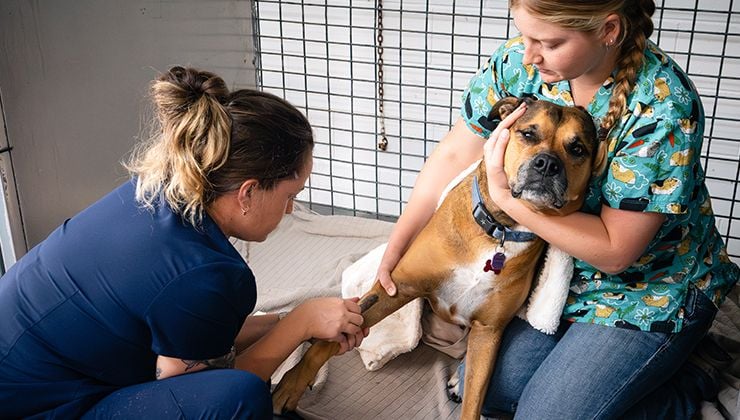
EVERY 6 MONTHS - THE GENERAL SENIOR HEALTH CHECK
Every six months, our experienced veterinary team performs a complete nose-to-tail physical examination.
This regular check allows us to look for subtle baseline changes, track weight variables, and monitor teeth, eyes, ears, joints, and internal organ pathways.
During these visits, we also review behavioural changes, tailor nutrition, adjust environmental setups, and assess parasite control and tropical heartworm protection. Depending on your pet's individual profile, we may also recommend specialised screenings, such as precise blood pressure testing, which is incredibly important for senior cats, fecal screenings, or feline retrovirus tests (FeLV/FIV).
EVERY 12 MONTHS - THE COMPREHENSIVE SENIOR HEALTH ASSESSMENT
Once a year, we pair our physical examination with an essential, deep-dive internal diagnostic profile. We strongly recommend annual screening for dogs and cats from 9 to 10 years of age onwards. This comprehensive check includes: