

Arthritis in Pets: Signs, Management and Treatment Options
Arthritis is an extremely common and painful condition that can affect many of our animals, including dogs, cats and horses. It can occur in animals of any age, size or breed, and may affect one or more joints.
As the weather gets colder, it’s a good time to pay closer attention to your pet’s movement, comfort and daily behaviour. Small changes such as being slower to get up, being less willing to play or developing a limp may be signs that something is causing discomfort.
What Is Arthritis?
Arthritis, also known as osteoarthritis or OA, involves inflammation of the joint or bone and can affect one or more joints.
There are several reasons why arthritis may develop. It can be caused by poor joint conformation from birth, a traumatic injury, or normal wear and tear on the joints as your pet ages.
Obesity can also contribute to arthritis and make the condition worse.
Unfortunately, osteoarthritis is a painful, progressive disease that cannot be cured. However, pain can be managed with veterinary care, and there are a number of ways we can help make your animal more comfortable.
Signs Your Pet May Have Arthritis
Arthritis does not always look the same in every animal. Changes in movement are common, but changes in behaviour can also indicate that your pet is experiencing discomfort.
Some signs to watch for include:
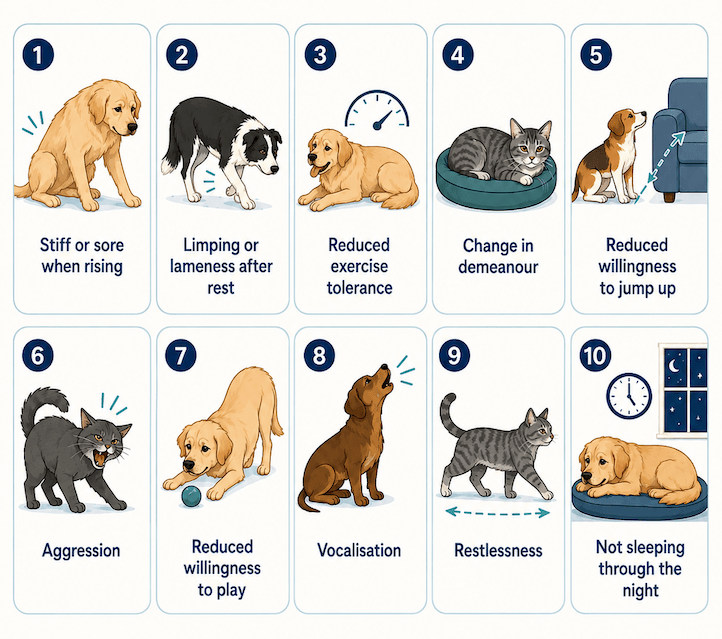
If you notice any of these changes in your pet, we recommend having them checked so we can determine what may be causing their discomfort.
How Is Arthritis Diagnosed?
If your pet is showing signs that may be related to arthritis, we will perform an examination to assess their movement and joints.
This may involve feeling your pet’s limbs and joints and watching them walk to help confirm whether arthritis may be present and pinpoint which joints are involved.
In some cases, it may also be beneficial to take X-rays.
Once we have assessed your pet, we can discuss the treatment options that may be most appropriate based on what we find during the examination.
Managing Arthritis in Pets
Because arthritis is a progressive and painful condition, treatment focuses on slowing its progression and helping your pet remain as comfortable as possible.
Treatment of osteoarthritis is most effective when a multimodal approach is taken. There are two main components to arthritis management: lifestyle management and medical management.
Lifestyle Management
There are several changes that can be made at home to help manage the amount of strain placed on your pet’s joints.
Weight Loss
If your pet is overweight, their joints experience greater loading and force, which can cause more inflammation.
Helping an overweight pet lose weight can reduce the amount of inflammation affecting the joints.
Controlled Exercise
Exercise is still important, but the type and intensity of activity may need to be adjusted.
High-intensity exercise such as jumping, walking through deep sand, running for long periods and using stairs should be reduced.
Instead, shorter periods of controlled exercise may be more suitable, such as two 20-minute walks per day.
Reduce Slipping
Slippery surfaces can make movement more difficult.
Try to reduce the amount of time your pet spends walking on surfaces such as lino, floorboards and tiles. Adding rugs in frequently used areas may help provide better grip.
Medical Management
Depending on the severity of your pet’s arthritis and the symptoms they are experiencing, we may discuss several medical management options with you.
Nutraceuticals
Nutraceuticals are food supplements that commonly contain ingredients such as glucosamine and chondroitin sulphate, which support cartilage structure.
Omega-3 fatty acids have also been found to have anti-inflammatory properties.
Injectable Chondroprotective Treatments
Injectable chondroprotective treatments, such as Pentosan or Zydaxx, may also be used.
There are different regimes of use depending on the severity of your pet’s symptoms, and these treatments have proved to be highly effective.
Medications
Prescription medications can be used to reduce inflammation and suppress pain.
There are many different medications and combinations of medications that can be used effectively to help keep your pet mobile and happy.
Regular monitoring, including blood work where appropriate, can also help minimise potential side effects.
Ongoing Monitoring Is Important
Once arthritis treatment has begun, it is important to continue monitoring your pet’s progress.
It can sometimes be difficult to assess your pet’s level of comfort, particularly when changes happen gradually. Regular veterinary revisits may therefore be recommended, including at six-monthly intervals.
If prescription medications are being used, regular monitoring is also important to check for changes in gastrointestinal or renal health.
Helping Your Pet Stay Comfortable
Although arthritis cannot be cured, there are many treatment and management options available to help reduce pain and support your pet’s quality of life.
The right approach will depend on your animal, the joints affected and the severity of their symptoms. By working together and continuing to monitor changes in your pet’s movement and behaviour, we can help keep them as comfortable and mobile as possible.
If you have noticed stiffness, limping, changes in behaviour or reduced activity in your dog, cat or horse, get in touch with our team. We can assess your pet and discuss the arthritis management options that may be suitable for them.
You can also visit our website for more information on caring for your pets, large and small, and the services we provide.