
The Itchy Horse: Common Equine Skin Conditions
Warm, wet weather can bring an increase in skin problems for horses. Higher rainfall, persistent moisture and biting insects can all contribute to irritating skin conditions that leave horses itchy, sore and uncomfortable.
Some of the conditions we commonly see include rain scald, summer sores and Queensland itch. While each has a different cause, prevention and early management can make a big difference to your horse’s comfort.
Rain Scald
Rain scald is caused by a bacterium called Dermatophilus congolensis, which can live on the skin of some horses without causing any problems.
However, when there is a large amount of moisture from heavy rainfall or persistently wet grass, the skin can become damaged. This creates an opportunity for the bacteria to invade and cause rain scald.
Typical signs include matting of the hair at skin level. When these areas are removed, they may reveal bald patches and inflamed skin underneath.
The areas most commonly affected include:
- Rump
- Saddle area
- Neck
- Face
These are generally the areas that become the wettest.
When rain scald affects the legs, they may become severely swollen and painful, and the horse may become lame.
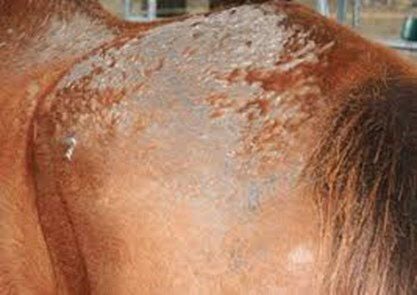
Managing Rain Scald
Management involves getting the horse into a dry environment, such as a stable with clean bedding.
The scabs are an important source of infection and may need to be removed by bathing the affected area with an appropriate medicated wash and gently loosening the scabs.
This process can be painful and may require several washes rather than trying to remove everything at once.
Once the area is clean and dry, topical medication may also be recommended.
In more severe cases, veterinary treatment may include antibiotics and anti-inflammatory medication to help manage infection, swelling and pain.
Summer Sores
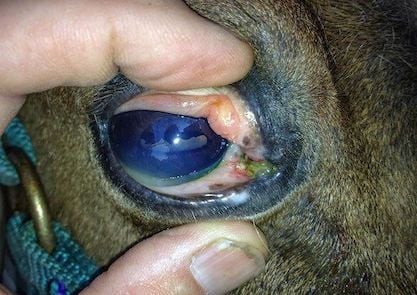
Summer sores develop when Habronema worm larvae are deposited by flies into a healing wound or moist area of the body.
These areas may include wounds, the conjunctiva around the eyes or other moist body openings.
The lesions can slowly enlarge, become ulcerated and begin weeping fluid. Unfortunately, this attracts more flies, which can deposit additional larvae and cause further irritation.
The itching and irritation can become severe enough that horses bite or rub the affected area, causing additional damage.
Preventing Summer Sores
Once established, summer sores can be difficult to treat and may sometimes require surgical removal of larger nodules.
For this reason, prevention is particularly important and mainly centres around effective fly control.
Ways to help reduce the risk include:
- Keeping stables and yards clean to reduce fly breeding
- Using environmental insect repellents
- Keeping wounds clean and dry
- Using suitable antiseptic creams or sprays that help repel flies from healing wounds
- Using fly veils to help reduce the risk of lesions around the eyes
- Applying insect repellent regularly, particularly in areas with high fly numbers
Queensland Itch
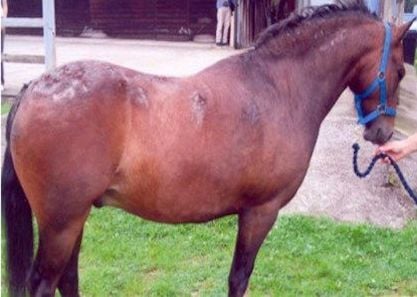
Queensland itch is caused by a hypersensitivity reaction to the bites of Culicoides species, commonly known as midges. The horse’s immune system reacts to proteins in the midge’s saliva, causing the classic signs of:
- Itching
- Rubbing
- Biting at the skin
- Hair loss
- Ongoing self-trauma
Managing Queensland itch can be frustrating because what works well for one horse may not work for another.
The main goal is to reduce the number of insect bites the horse receives.
Helping Manage Queensland Itch
Where possible, reducing exposure to midge-infested areas can help.
Management may include:
- Regular application of insect repellents
- Paying particular attention to early morning and late afternoon, when insects may be more active
- Using topical products to help provide relief from itching
- Keeping horses rugged to minimise insect bites
- Using insect-repellent rugs where appropriate
- Stabling horses around dusk and dawn
A fan in the stable may also help, as midges are less active in windy conditions.
Even with preventative measures in place, some horses can continue to itch and self-traumatise severely. These horses may require further veterinary investigation and prescription treatment to help control their symptoms.
Atopy in Horses
Not all itchy skin conditions are caused by insects.
Atopy occurs when a horse develops a hypersensitivity reaction to inhaled allergens. Examples mentioned in the original clinic information include particles from Lucerne, pollens and other plants.
This reaction can cause intense itching, leading the horse to rub and scratch and further traumatise the skin.
Identifying the exact cause can be difficult.
Effective insect control and ruling out other possible causes of itching are often an important first step.
For horses with recurring problems, referral to a veterinary dermatologist may also be helpful. Allergen skin testing can be used to identify potential triggers and assist with developing a more individualised management plan.
Keeping Your Horse Comfortable
Skin problems can quickly become uncomfortable when a horse continues rubbing, biting or scratching affected areas.
Keeping your horse dry where possible, staying on top of fly and midge control, looking after wounds and regularly checking the skin can all help reduce the risk of some common problems.
If your horse is persistently itchy, developing bald or inflamed areas, has weeping wounds or is rubbing to the point of damaging their skin, speak with our team. We can assess what may be causing the problem and discuss the most appropriate way to manage it.