
Pet and Equine Dental Care: Why Healthy Teeth Matter
Just like us, your pet’s teeth are for life. Keeping their teeth and gums healthy is an important part of their overall wellbeing, whether you have a dog, cat, horse or pony.
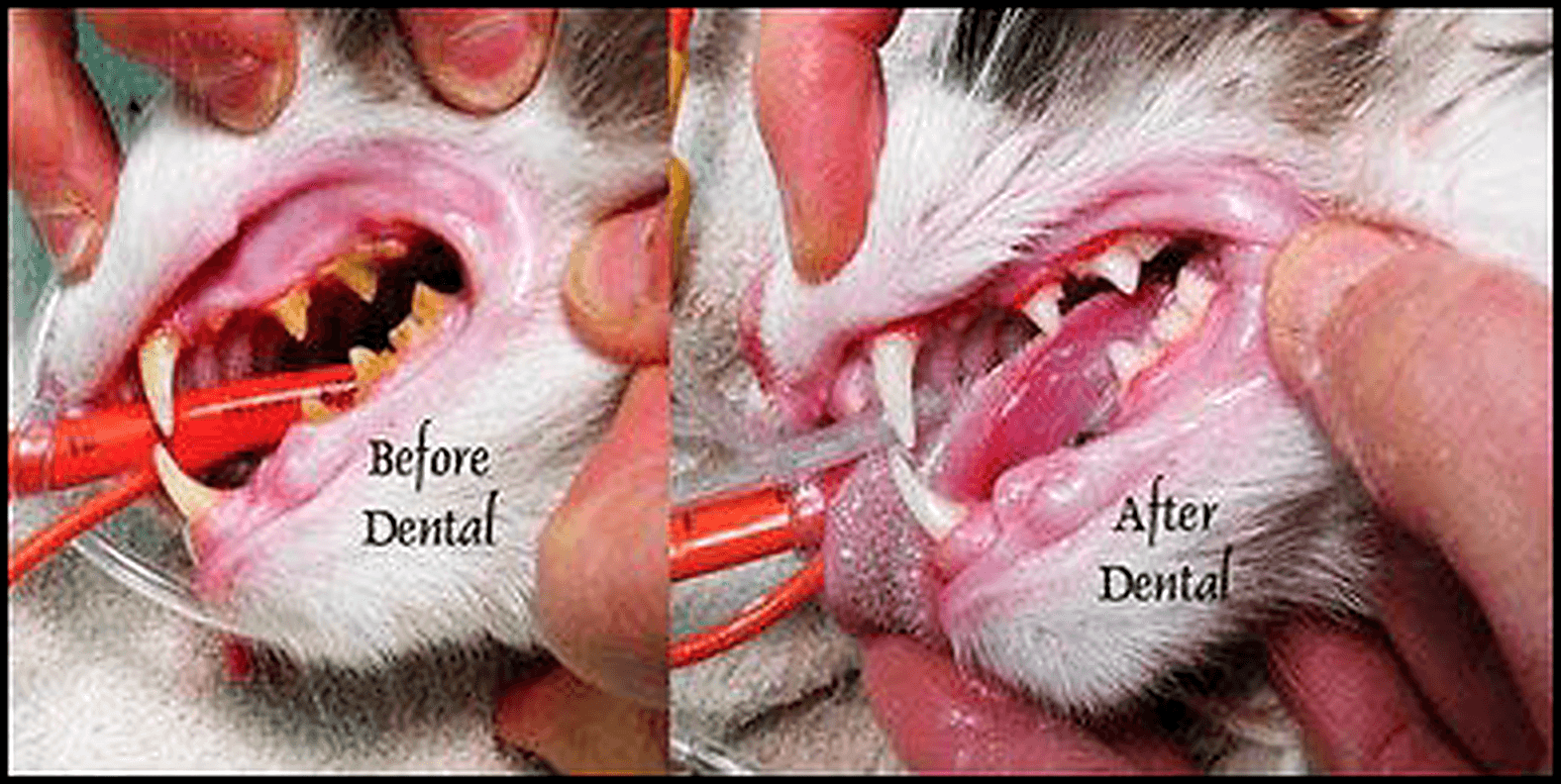
Bad breath might be one of the first things you notice, but dental disease can cause much more than an unpleasant smell. Plaque build-up on the teeth harbours bacteria, which can lead to tooth decay and chronic pain. Dental disease can also have an impact on your pet’s internal health.
Because our animals can’t tell us when they have a toothache, regular dental care and paying attention to changes in their eating or behaviour can make a big difference.
Why Dental Care Matters for Dogs and Cats
Statistics suggest that more than 80% of pets have some degree of dental disease by the time they are three years old.
Plaque can gradually build up on the teeth and contribute to gum disease and tooth decay. Left untreated, dental problems can become painful and may also contribute to problems involving the kidneys, liver and heart.
Your furry friend can’t tell you when something hurts, so preventative dental care is particularly important.
During a dental check, we can assess your pet’s mouth for:
- Plaque build-up
- Gum disease
- Tooth decay
- Other signs of dental problems
From there, we can make recommendations based on what your pet needs.
Caring for Your Pet’s Teeth at Home
While we play an important role in keeping your pet’s teeth healthy, there is also plenty you can do at home to help prevent dental disease.
Keeping an eye on your pet’s teeth, gums and breath can help you notice changes earlier. Regular veterinary dental checks are also an opportunity to discuss the best ways to keep your pet’s teeth clean and healthy between visits.
If you’re unsure about your pet’s dental care routine, have a chat with our team. We can help you work out what may be suitable for your pet.
Don’t Forget About Our Equine Friends
Dental care is just as important for horses and ponies. Equine dentistry, sometimes referred to as “floating” the teeth, should be a regular part of preventative health care. Horses’ teeth grow throughout their lives, which is why yearly veterinary dental check-ups are essential for maintaining good dental health and treating problems when they occur.
Horses can develop a number of dental disorders that reduce their ability to efficiently break down and digest nutrients from their food.
Signs Your Horse May Have a Dental Problem
Dental problems in horses are not always obvious, but there are several changes owners can look out for.
Dropping feed while eating, also known as quidding, can indicate abnormal tooth wear or pain while chewing.
Dental discomfort can also affect a horse while being ridden. Signs may include:
- Hanging on the bit
- Head tossing
- Avoidance behaviours
- Dropping feed while eating
- Difficulty chewing efficiently
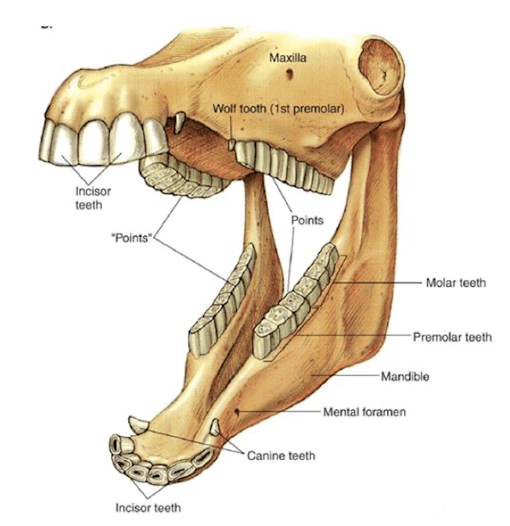
Just like us, a diseased tooth can be a painful tooth. Addressing dental issues can help improve comfort and may also help your horse make better use of the food you are providing.
What Happens During an Equine Dental?
Our equine vets perform dental procedures under sedation, helping us create a safer environment for your horse and for you.
Sedation allows us to fully examine the horse’s mouth and identify areas that may require treatment. We have access to both power tools and handheld floats to carry out the necessary dental work.
Equine dental procedures can be performed either at our clinic or at your property, depending on your horse’s needs.
Keeping Their Teeth Healthy for Life
Good dental care is an important part of looking after your animal’s overall health and comfort.
For dogs and cats, regular checks can help identify plaque, gum disease and tooth decay before they become more serious. For horses and ponies, routine dental examinations are particularly important because their teeth continue to grow throughout their lives.
If you have noticed bad breath, changes in eating, difficulty chewing or unusual behaviour in your pet or horse, speak with our team. We can assess their teeth and recommend the next steps to help keep them comfortable and healthy.